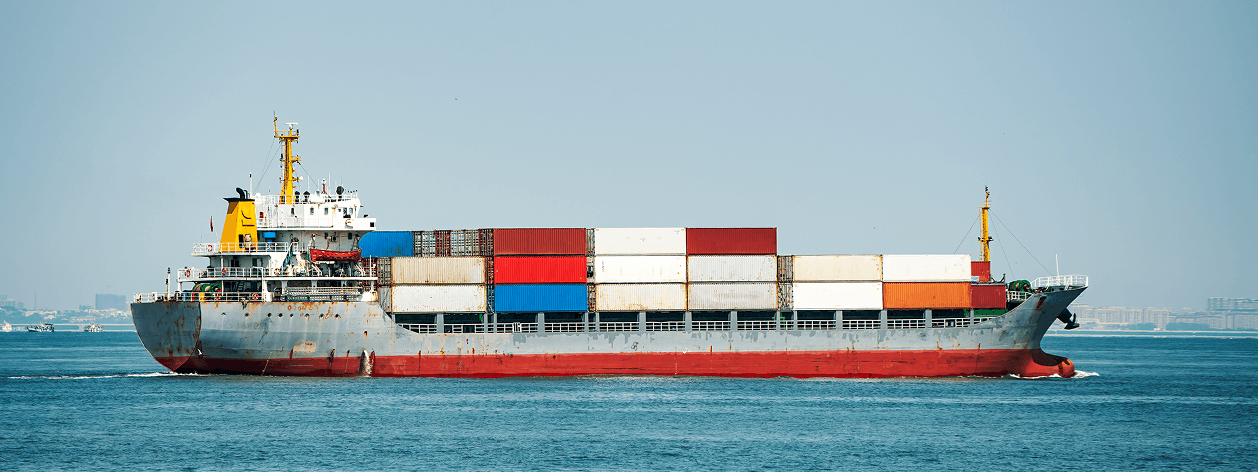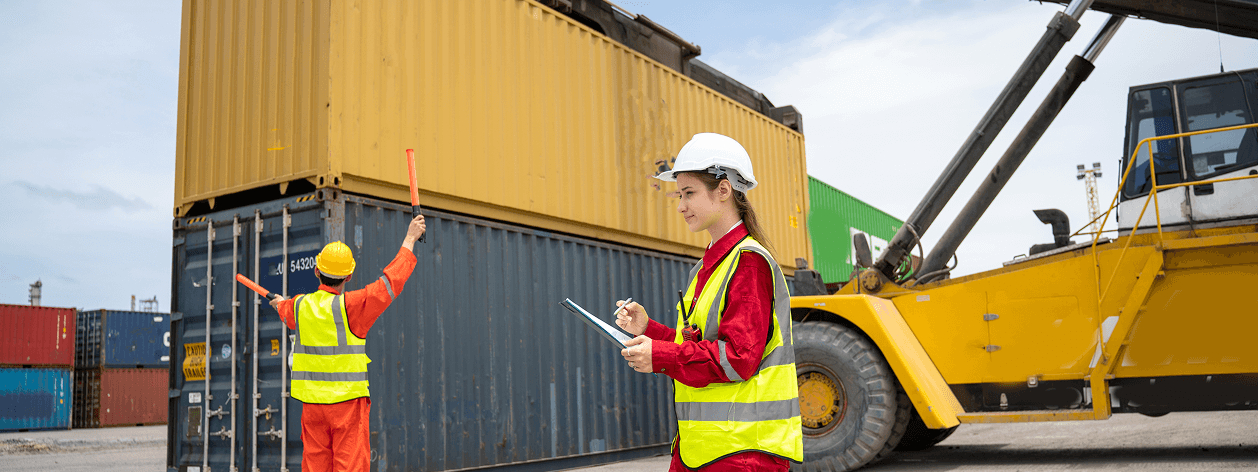
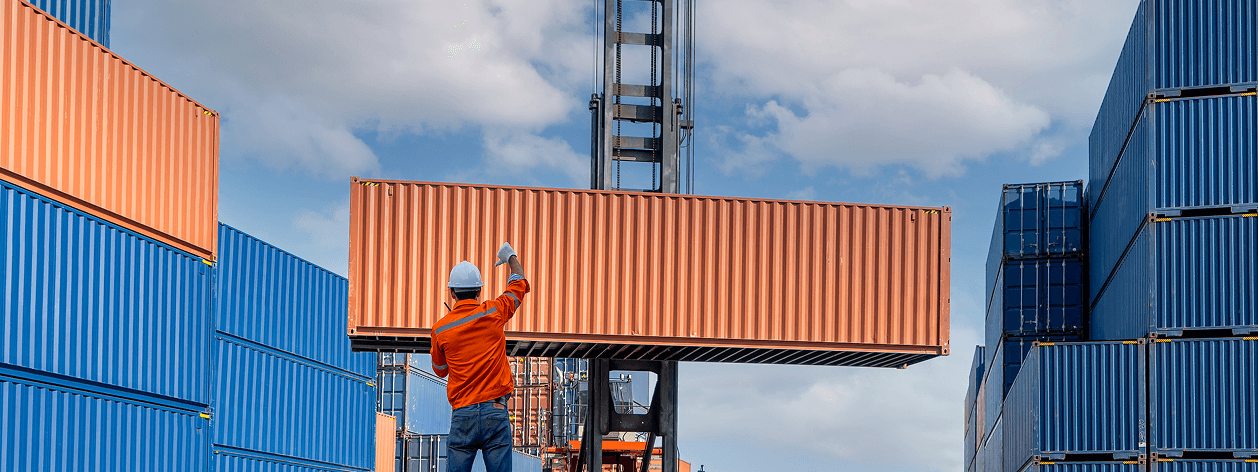
Lashing is the act of securing containers to prevent movement during transportation. On container ships, cargo is stacked several layers high, and each container is prone to shifting due to the ship’s motion. Lashing prevents the sliding, tipping, or falling of containers, ensuring safety for the crew, cargo, and vessel. The process involves using chains, rods, twist locks, and other specialised equipment to fix containers firmly in place.
A strong and reliable lashing system is especially important for freight forwarding companies that handle a variety of goods, from fragile electronics to heavy machinery. By using proper lashing techniques, these companies can minimise damage risks and maintain timely deliveries.
Types of Lashing on Container Ships
There are several types of lashing systems used on container ships, each designed for specific purposes. Understanding these types is crucial for operators, shipping companies, and logistics professionals.
1. Twist Lock Lashing
Twist locks are the most common form of container lashing. They are used to secure containers stacked vertically on the ship. Twist locks are inserted into the corner castings of a container, and when twisted, they lock the container to the one below it.
Advantages:
- Easy to install and remove.
- Provides strong vertical support.
- Standardised for most container types.
Twist lock lashing is indispensable for freight forwarding companies aiming to maintain cargo safety while optimising loading and unloading times.
2. Chain Lashing
Chain lashing involves the use of metal chains and turnbuckles to secure containers horizontally. This type of lashing is particularly useful for containers placed on the outer edges of the ship, where they are more exposed to the ship’s rolling and pitching.
Advantages:
- Offers strong resistance to lateral movement.
- Can handle heavy containers.
- Flexible application depending on cargo configuration.
Chain lashing is a favourite choice for securing oversized containers or irregularly shaped cargo that requires additional stabilisation.
3. Rod Lashing
Rod lashing uses metal rods and tensioning devices to hold containers in place. The rods are attached to the ship’s structure and tightened to prevent container movement. This type of lashing is less common but is still used on ships that carry special cargo requiring precise stabilisation.
Advantages:
- Provides adjustable tension.
- Useful for containers that cannot be twist-locked.
- Offers reliable support for high-stacked cargo.
Rod lashing is particularly effective in combination with other lashing systems for maximum safety.
4. Turnbuckle Lashing
Turnbuckle lashing involves using turnbuckles, which are threaded devices that can be tightened or loosened to apply tension. Turnbuckles are often used with chains, ropes, or wire cables to secure containers. They allow fine-tuning of the lashing tension, ensuring that containers are neither too loose nor overly stressed.
Advantages:
- Adjustable tension for precise control.
- Compatible with various types of lashing equipment.
- Helps prevent cargo damage from over-tightening.
This lashing type is crucial for freight forwarding companies transporting delicate goods that require controlled pressure.
5. Lash Bars and Stackers
Lash bars and stackers are mechanical devices used to secure containers stacked on top of each other. Stackers are often used on large container ships where containers are stacked more than six levels high. They work by providing additional vertical support and distributing weight evenly across the stack.
Advantages:
- Enhances vertical stability.
- Reduces risk of toppling during rough seas.
- Ideal for ships carrying high-density container loads.
Lash bars complement twist locks and other lashing systems, providing an extra layer of safety for containerised cargo.
6. Rope Lashing
Rope lashing uses strong ropes or wires to secure containers on a ship’s deck. The ropes are tied around the container’s corner castings or other securing points to prevent movement during transit. This type of lashing is commonly used as a supplementary method for added stability.
Advantages:
- Flexible and easy to adjust.
- Provides additional support during rough seas.
- It can be used in combination with other lashing systems for maximum safety.
The safety and efficiency of container shipping heavily rely on proper lashing practices. From twist locks and chains to rods, turnbuckles, and lash bars, each lashing type plays a critical role in securing cargo during transit. Freight forwarding companies must understand these systems to ensure goods reach their destination intact.
For reliable lashing services and expert cargo handling, partnering with a trusted freight forwarding company like Marine Belt Shipping can make all the difference. Their experience in container securing ensures your cargo remains safe, secure, and delivered on time.